CREATINE FOR EXECUTIVES: THE MOST UNDERRATED SUPPLEMENT FOR COGNITIVE PERFORMANCE
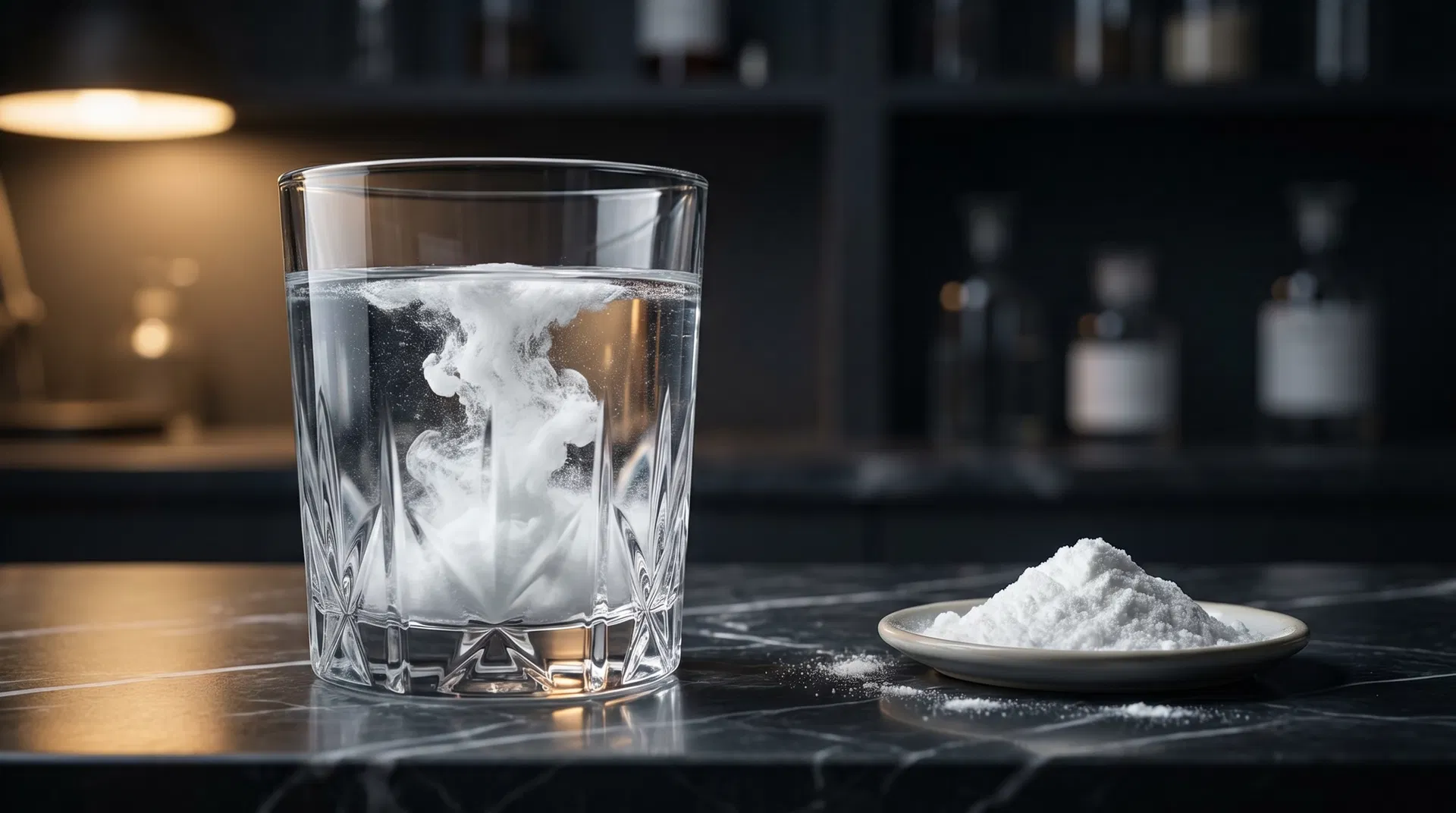
Creatine monohydrate is the most studied sports supplement in history, with over 500 peer reviewed studies confirming its safety and efficacy for physical performance. But the most exciting research on creatine is not about muscle. It is about the brain. A growing body of evidence shows that creatine supplementation improves memory, processing speed, and executive function, particularly under conditions of stress and sleep deprivation, the exact conditions that define executive life.
For founders, CEOs, and high performing professionals who operate under chronic cognitive load, creatine may be the single most underrated tool available for protecting and enhancing brain function. This article presents the evidence, explains the mechanism, and provides the exact protocol we use with our clients at Otion.
HOW CREATINE WORKS IN THE BRAIN
To understand why creatine improves cognitive performance, you need to understand how the brain produces energy. The brain is the most metabolically demanding organ in the body. It accounts for approximately 2% of body weight but consumes roughly 20% of the body's total energy. This energy comes primarily from adenosine triphosphate, or ATP, the universal energy currency of cells.
Creatine plays a critical role in ATP regeneration. It is stored in cells as phosphocreatine, which donates its phosphate group to rapidly regenerate ATP when demand is high. In the brain, this process is essential during periods of intense cognitive work, stress, or sleep deprivation, when ATP demand spikes and the brain's energy reserves can become depleted.
A 2024 study published in Scientific Reports by Gordji Nejad and colleagues found that a single dose of creatine increased brain phosphocreatine levels, prevented a drop in brain pH during cognitive tasks, and improved processing speed. Brain creatine levels increased by approximately 9.2% with supplementation according to research published in the Journal of Psychopharmacology and Behavioral Sciences.
The implication is straightforward: when you supplement with creatine, you increase the brain's energy reserves, giving it more fuel to sustain high level cognitive function under demanding conditions.
WHAT THE RESEARCH SHOWS
The evidence base for creatine and cognitive performance has grown substantially in recent years.
A 2024 systematic review and meta analysis published in Frontiers in Nutrition by Xu and colleagues, which has been cited over 69 times, concluded that current evidence suggests creatine monohydrate supplementation may confer beneficial effects on cognitive function in adults. The analysis found particular benefits for memory and executive function tasks.
An earlier systematic review published in Experimental Gerontology by Avgerinos and colleagues in 2018, cited over 297 times, found that creatine supplementation improved short term memory and reasoning in healthy individuals, with the strongest effects observed in older adults and individuals under stress.
Research from the University of Sydney published in the Proceedings of the Royal Society found that creatine supplementation improved working memory and processing speed in vegetarians, who tend to have lower baseline brain creatine levels. This finding is particularly relevant for executives who follow plant based diets.
A study involving nearly 500 adults found that supplementing with creatine had positive effects on memory, attention, and executive functioning according to research reported by the University of Missouri Health. These are precisely the cognitive domains that matter most for leadership performance.
Perhaps most relevant for executives, research has consistently shown that creatine supplementation helps maintain cognitive performance under conditions of sleep deprivation. A study found that a single dose of creatine helped preserve cognitive performance in sleep deprived individuals, with memory and executive function holding steady compared to significant declines in the placebo group.
WHY GERMAN SOURCED CREATINE MATTERS
Not all creatine is created equal. The global creatine market includes products manufactured in China, India, and Germany, with significant variation in purity and potential contaminants. At Otion, we exclusively recommend German sourced creatine, specifically Creapure, for our clients. Here is why.
Creapure is manufactured by AlzChem Trostberg GmbH in Germany under strict pharmaceutical grade manufacturing standards. It is FSSC 22000 certified, which is the highest food safety certification available. Every batch is laboratory tested and documented for purity, with Creapure consistently achieving 99.9% purity with no detectable contaminants.
Research published in the journal Food Chemistry used isotope ratio mass spectrometry to authenticate the source of creatine supplements and found significant variation in purity across products from different origins. The German manufactured Creapure consistently demonstrated the highest purity and lowest levels of potential contaminants including dicyandiamide, dihydrotriazine, and creatinine.
For executives who are putting a substance into their body every day, sourcing matters. The marginal cost difference between a premium German sourced product and a cheaper alternative is negligible compared to the importance of knowing exactly what you are consuming. A month's supply of Creapure certified creatine typically costs between $15 and $30, making it one of the most cost effective performance interventions available.
THE OTION CREATINE PROTOCOL FOR EXECUTIVES
Based on the current evidence, here is the exact protocol we implement with our clients at Otion.
Dosing
We recommend 3 to 5 grams of creatine monohydrate per day, taken consistently. There is no need for a "loading phase" of 20 grams per day, which was popular in older bodybuilding protocols. Research shows that consistent daily dosing of 3 to 5 grams achieves full saturation of muscle and brain creatine stores within approximately 3 to 4 weeks.
Timing
Creatine can be taken at any time of day. There is no meaningful difference in efficacy between morning and evening dosing. We recommend our clients take it at the same time each day to build consistency. Many of our clients add it to their morning coffee or protein shake.
Form
Creatine monohydrate is the only form with robust clinical evidence. Despite marketing claims for creatine HCL, buffered creatine, creatine ethyl ester, and other variants, none have been shown to be superior to monohydrate in peer reviewed research. We recommend a micronised creatine monohydrate powder with Creapure certification.
Duration
Creatine supplementation is safe for long term use. The International Society of Sports Nutrition has stated that creatine monohydrate is the most effective ergogenic nutritional supplement currently available to athletes in terms of increasing high intensity exercise capacity and lean body mass during training. Long term studies of up to five years have shown no adverse effects in healthy adults.
Who Should Be Cautious
Individuals with pre existing kidney disease should consult their physician before supplementing with creatine. For healthy adults with normal kidney function, creatine supplementation at recommended doses has been consistently shown to be safe with no adverse effects on kidney function.
BEYOND THE BRAIN: THE FULL SPECTRUM OF BENEFITS
While this article focuses on cognitive performance, creatine supplementation provides additional benefits that are relevant to the corporate athlete.
Creatine improves strength and power output during resistance training, allowing executives to get more from their limited training time. It supports lean muscle mass, which is critical for metabolic health, bone density, and longevity. Emerging research suggests anti inflammatory properties that may support recovery from both physical and cognitive stress. And for women in perimenopause, creatine supplementation has shown particular promise for supporting both cognitive function and muscle performance during a period of hormonal transition.
FREQUENTLY ASKED QUESTIONS
Will creatine make me gain weight?
Creatine can cause a modest increase in body weight of 1 to 2 kilograms, primarily from increased water retention in muscle cells. This is not fat gain. It is intracellular hydration that supports muscle function. Most executives find this effect negligible or unnoticeable.
Is creatine safe for long term use?
Yes. Creatine monohydrate is one of the most extensively studied supplements in history. Long term studies of up to five years have shown no adverse effects in healthy adults. The International Society of Sports Nutrition considers it safe for long term use at recommended doses.
How long does it take to notice cognitive benefits?
Brain creatine stores take approximately 3 to 4 weeks to reach saturation with daily dosing of 3 to 5 grams. Most clients report noticeable improvements in mental clarity and sustained focus within 2 to 4 weeks of consistent supplementation.
Can I take creatine with other supplements?
Yes. Creatine does not interact negatively with common supplements including magnesium, omega 3 fatty acids, vitamin D, or protein powders. It can be mixed with other supplements or taken alongside them without issue.
What brand of creatine do you recommend?
We recommend any creatine monohydrate product that carries the Creapure certification, which guarantees German manufacturing and 99.9% purity. Several brands use Creapure as their source ingredient and display the certification on their packaging.
At Otion, creatine monohydrate is a standard part of our performance protocol for executives. If you are interested in building a comprehensive, data driven performance system, join the Otion waitlist.
■ READY TO PERFORM?
JOIN THE WAITLIST
Be the first to access Otion's Olympic-level performance coaching for founders, CEOs, and executives.
GET EARLY ACCESS